
Oil markets jumped on 1 September 2026 after fighting between the United States and Iran flared again in the Middle East. Brent crude rose to around $91.54 a barrel. West Texas Intermediate climbed to about $87.03. Traders were not reacting to a quiet inventory print. They were pricing a wider war sitting on top of the world’s most important oil chokepoint.
The jump through $90 on Brent is a psychological line as much as a mathematical one. It tells refiners, airlines, and finance ministries that energy is no longer cheap insurance against a distant conflict. The fighting is close enough to shipping lanes that a disruption is a live scenario, not a footnote.
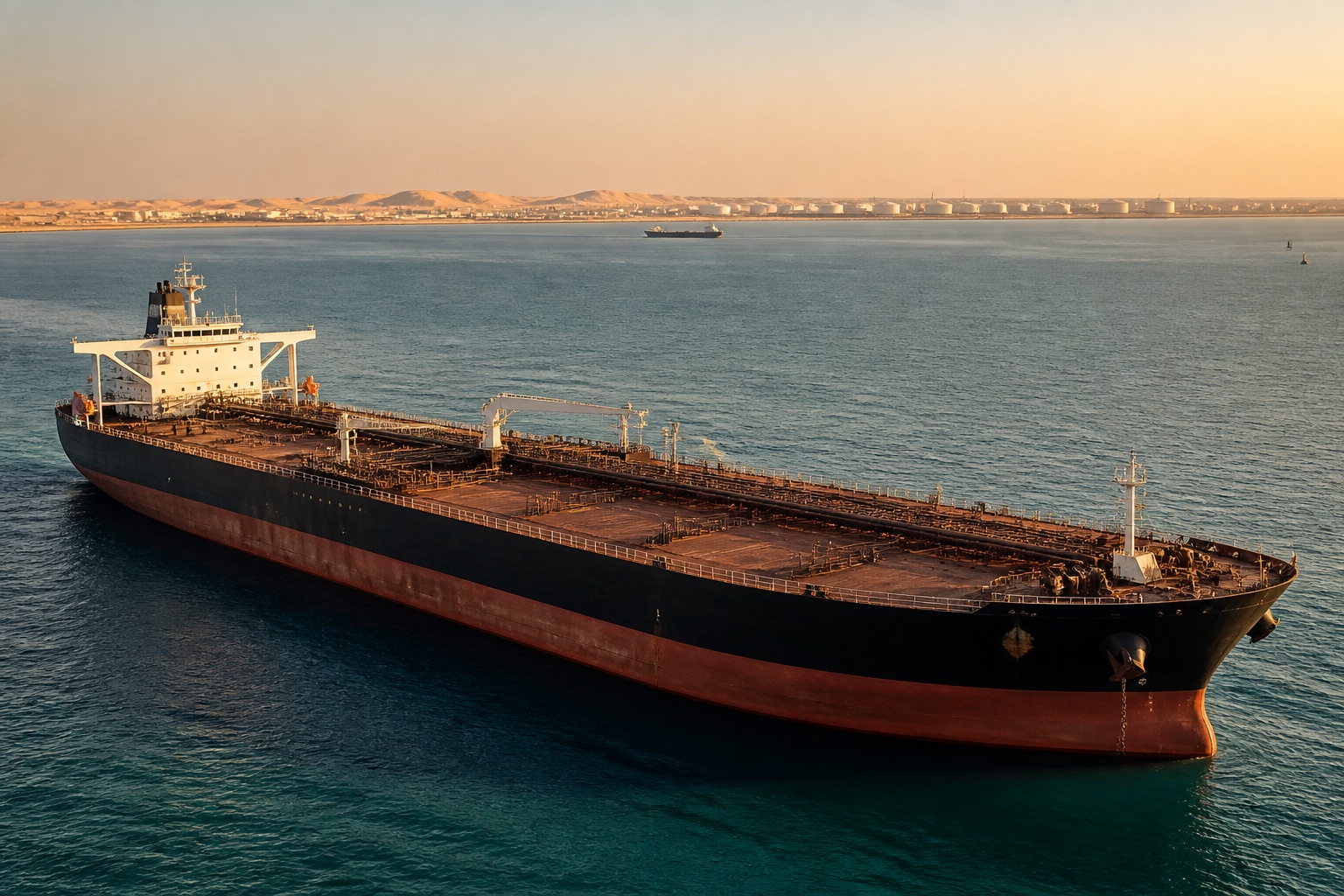
Why the Strait of Hormuz is the story
The Strait of Hormuz is a narrow passage at the mouth of the Persian Gulf. A large share of seaborne crude has to pass it to reach Asia, Europe, and the rest of the world. When US–Iran fighting intensifies, shippers, insurers, and refiners ask the same question: will tankers still move, and at what premium?
That is why a headline about two governments becomes a headline about petrol, freight, and inflation. The barrels do not have to stop moving for prices to rise. The *risk* that they might is enough. War-risk insurance, slower convoys, and cargoes that take a longer route all add dollars before a single refinery is short of crude.
What $90 oil does on the ground
Higher crude does not stay on a trading screen.
Fuel. Petrol, diesel, and jet fuel usually follow Brent with a lag. A week of $90-plus crude shows up at pumps and airport desks. Governments that tax or subsidise fuel then have to choose between protecting drivers and protecting the budget.
Transportation. Trucking firms, container lines, and airlines pass costs through or cut routes. Delivery times stretch. A factory that looks far from the Gulf still pays the premium in the freight on its inputs.
Businesses. Plants that burn fuel or move heavy goods see margins shrink before consumers notice. Some raise prices. Some delay hiring or investment. Energy-intensive industries — chemicals, cement, food processing — feel it first.
Consumers. Households feel it as costlier commutes, dearer food on the shelf, and less room in a monthly budget. Central banks watch that chain because energy is a fast path into inflation. A Middle East shock that lasts weeks can change the interest-rate conversation in capitals that never appear in the war map.
None of this requires a complete Hormuz shutdown. A few days of higher insurance, diverted cargo, or a threatened closure is enough to keep a premium in the price.
What to watch next
The useful test is not whether oil prints $91 again tomorrow. It is whether fighting stays near energy infrastructure and shipping lanes, and whether Asian and European refiners start bidding more aggressively for cargoes that avoid the Gulf. If those bids hold, $90 is a floor, not a one-day spike.
This is an original Utila brief from public market and conflict reporting on 1 September 2026. It is not a copy of another outlet.

