
Russian airstrikes hit Kyiv and the surrounding region on 1 September 2026 for a sixth consecutive day. Local officials said nine people were killed and more than a dozen were injured. Residential blocks and business buildings were damaged. The capital’s air-alert pattern has become a daily rhythm rather than a one-off shock.
This is not a distant front-line update. It is a national capital under regular fire while diplomats still talk about how the Russia–Ukraine war might end.
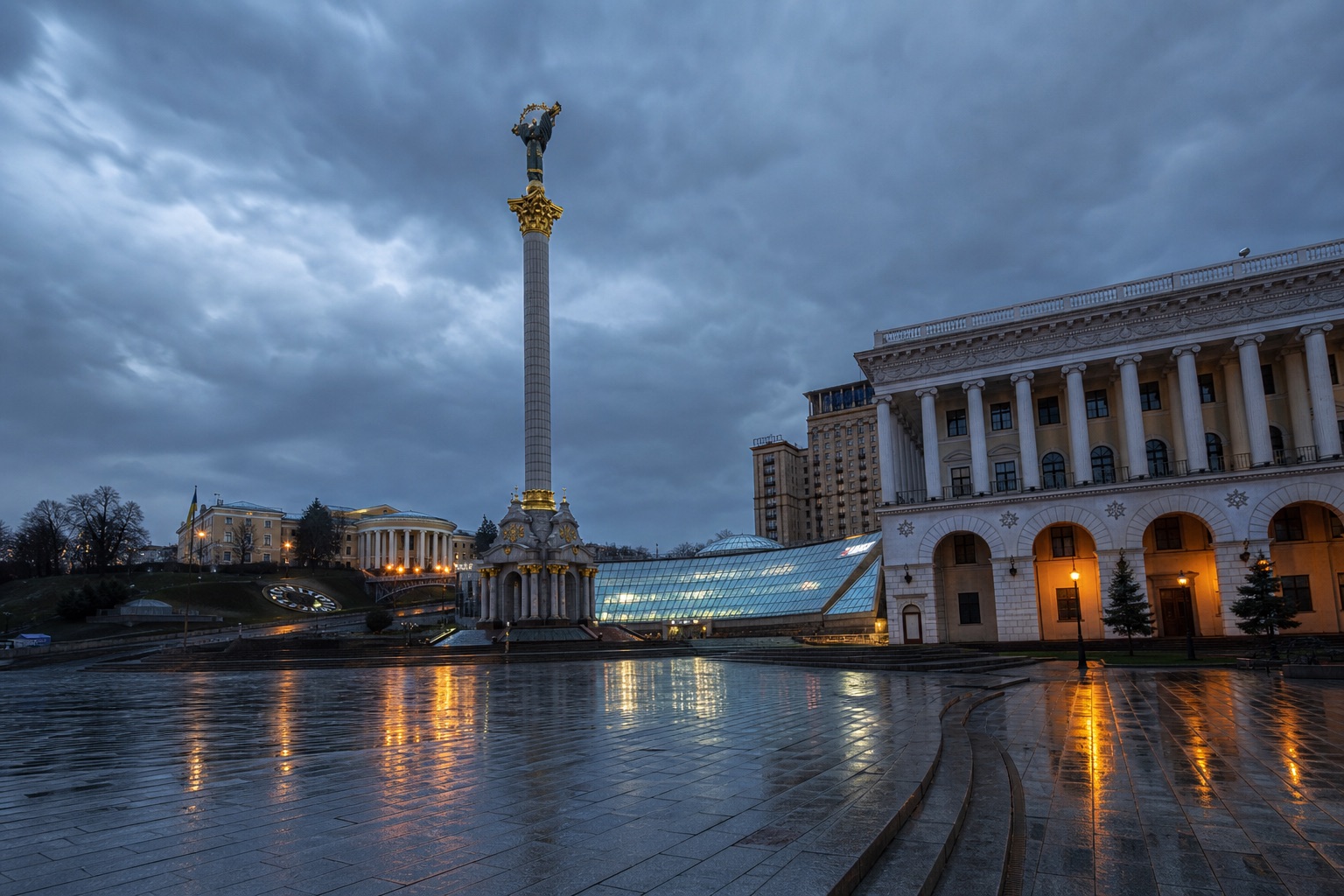
What happened in the Kyiv region
The latest wave reached both the city and nearby towns. Rescue crews worked through damaged apartment buildings and commercial premises. The death toll — nine confirmed in this round — is a reminder that a capital still under regular attack is not a symbolic target only. People were at home and at work.
Ukraine has lived with long-range strikes for years. What stands out in this stretch is the streak: six days without a pause on the same region. A single night can be absorbed. A week of consecutive attacks changes how offices open, how families sleep, and how a city plans the next morning.
Why the timing matters
Talks, back-channels, and public statements about a settlement have not stopped the strikes. That gap is the story. A government that keeps hitting a capital while another table discusses ceasefires is sending a message about leverage: the war is still being fought on the ground, not only in communiqués.
For Kyiv residents, six straight days means interrupted sleep, closed or emptied offices, and a city that has to keep functioning under alert. For Europe, it is a signal that the conflict remains an active security problem, not a frozen line waiting for a signature.
The broader picture
Repeated strikes on a national capital, during a week of diplomatic activity, do two things at once. They inflict local harm — deaths, injuries, wrecked homes and shops. They also try to set the terms of any future deal: that Ukraine’s rear is still reachable, and that pressure will continue until a political outcome matches the battlefield.
That is why a sixth consecutive day in the Kyiv region is more than a casualty count. It is a test of whether diplomacy can move faster than the next alert — and of whether partners who talk about an end to the war treat the capital’s safety as part of that conversation, not as background noise.
This brief is an original Utila summary of public statements on 1 September 2026. It is not a reprint of another publisher.

